

 lowereas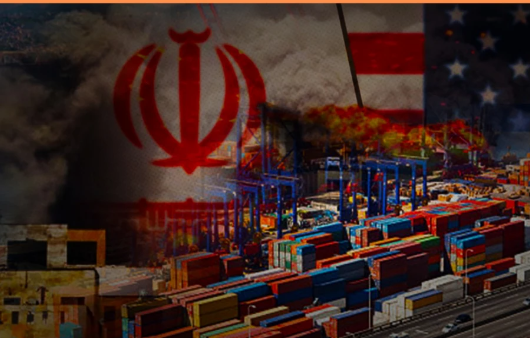
Rising tensions involving the United States, Israel and Iran are sending shockwaves through global trade, with Kenya’s ports now facing mounting pressure as shipping routes to the Middle East become increasingly disrupted.
At the Port of Mombasa, the effects are already visible. A surge in vessels originally destined for the Middle East is straining capacity, as ships seek safer docking alternatives amid escalating insecurity along critical maritime corridors.
Industry stakeholders report that more than 3,200 vessels are currently stranded at the Strait of Hormuz a chokepoint that handles roughly 20 percent of global oil and cargo shipments. The disruption has driven shipping and insurance costs sharply upward, in some cases doubling.
The impact is also being felt at the Port of Lamu, where the vessel Grande Florida Palermo recently docked after diverting from its original route between Japan and Jebel Ali Port. The ship offloaded over 3,500 vehicles, which will remain in Lamu until stability returns in the Middle East.
This marks the second vessel to divert to Lamu in under two weeks, highlighting a broader trend as ships reroute to avoid high-risk zones.
Kenya Ports Authority Managing Director Capt. William Ruto noted that the sudden influx has stretched port capacity. He emphasized ongoing government support to expand infrastructure and manage the growing demand, describing the current situation as “overwhelming.”
According to Kenya Ships Agents Association CEO Elijah Mbaru, vessels are increasingly offloading cargo at alternative ports considered safer, including those in Southeast Asia. However, congestion is building rapidly in these locations as well.
The situation has been exacerbated by threats from Iran targeting vessels that ignore its directives, prompting shipping companies to alter routes. These detours are adding between 10 to 14 days to transit times and significantly increasing operational costs.
Charter fees have surged dramatically—from approximately 100,000 USD to 400,000 USD placing exporters under strain. Kenyan tea and coffee exporters targeting Middle Eastern markets now face uncertainty as they explore alternative destinations.
Some shipping lines have suspended voyages altogether, further delaying cargo arrivals and compounding supply chain challenges.
As geopolitical tensions persist, Kenya’s ports remain on the frontline of a rapidly evolving global shipping crisis. ENDS///…