
 lowereas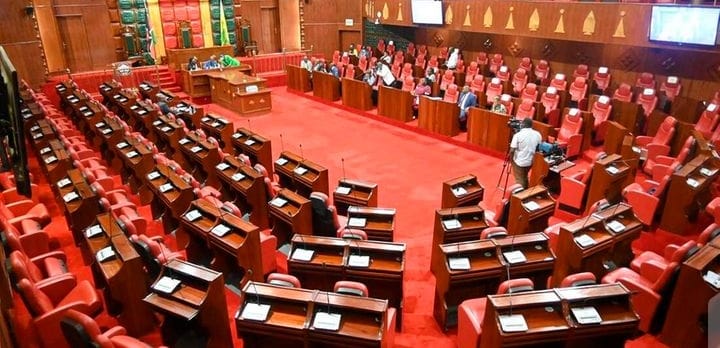
Members of County Assemblies (MCAs) across Kenya have the constitutional and legal mandate to impeach a County Assembly Speaker who is deemed incompetent, corrupt, or unable to discharge the duties of the office effectively. The process, though political in nature, is well-grounded in law and guided by the Standing Orders of each County Assembly, as well as the Constitution of Kenya (2010) and the County Governments Act.
1. The Legal Foundation
Under Article 178 of the Constitution, every County Assembly shall have a Speaker elected by the MCAs from among persons qualified to be members of the County Assembly, but not necessarily elected members. However, the same legal framework provides room for removal if the Speaker fails to uphold integrity, neutrality, or competence expected of the office.
The County Governments Act and the Standing Orders of the respective Assemblies outline the procedure for impeachment. The Speaker’s conduct must be inconsistent with leadership and integrity requirements under Chapter Six of the Constitution, or detrimental to the smooth functioning of the Assembly.
2. Initiation of the Motion
The process begins when an MCA drafts a notice of motion for the removal of the Speaker. The motion must be backed by at least one-third of all MCAs to demonstrate substantial support. Grounds for removal often include incompetence, abuse of office, gross misconduct, corruption, violation of the Constitution, or failure to protect the dignity and independence of the Assembly.
Once the notice is properly filed, it is submitted to the Clerk of the County Assembly, who must then verify its compliance with the Standing Orders.
3. Debate and Voting
After verification, the motion is placed on the Assembly’s order paper for debate. During this session, MCAs are given the opportunity to present evidence, question the Speaker’s conduct, and deliberate on the accusations. The Speaker, being the subject of the motion, is allowed to defend themselves before the House or through a representative.
For the impeachment motion to pass, it must be supported by two-thirds of all the MCAs. If the threshold is met, the Speaker immediately ceases to hold office.
4. Filling the Vacancy
Once removed, the Deputy Speaker automatically assumes the Speaker’s role in an acting capacity. Within fourteen (14) days, the County Assembly must elect a new Speaker through a fresh vote, following the same procedure used in the initial election. This ensures continuity and stability in the Assembly’s leadership.
5. The Role of Ethics and Political Maturity
While the impeachment process is legal, it often bears heavy political undertones. Analysts note that some impeachments are motivated by power struggles, political party rivalries, or personal interests, rather than genuine incompetence. However, when conducted lawfully and objectively, impeachment is a critical tool for accountability and good governance.
Political observers urge MCAs to exercise sobriety and fairness during such proceedings, noting that the dignity of the Assembly and public confidence in devolution depend largely on ethical leadership and adherence to due process.
6. Public Interest and Transparency
Impeachment of a County Speaker attracts significant public attention because the office plays a vital role in guiding debates, maintaining order, and ensuring that the legislative arm functions independently. Citizens have a right to demand transparency, accountability, and efficiency from their county leadership.
In summary, the removal of an incompetent or embattled County Assembly Speaker is a constitutionally backed process designed to protect the integrity of devolved governance. When carried out in accordance with the law, it strengthens democracy, reinforces accountability, and restores public trust in county institutions.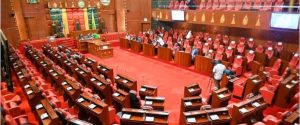
ENDS///…