
 lowereas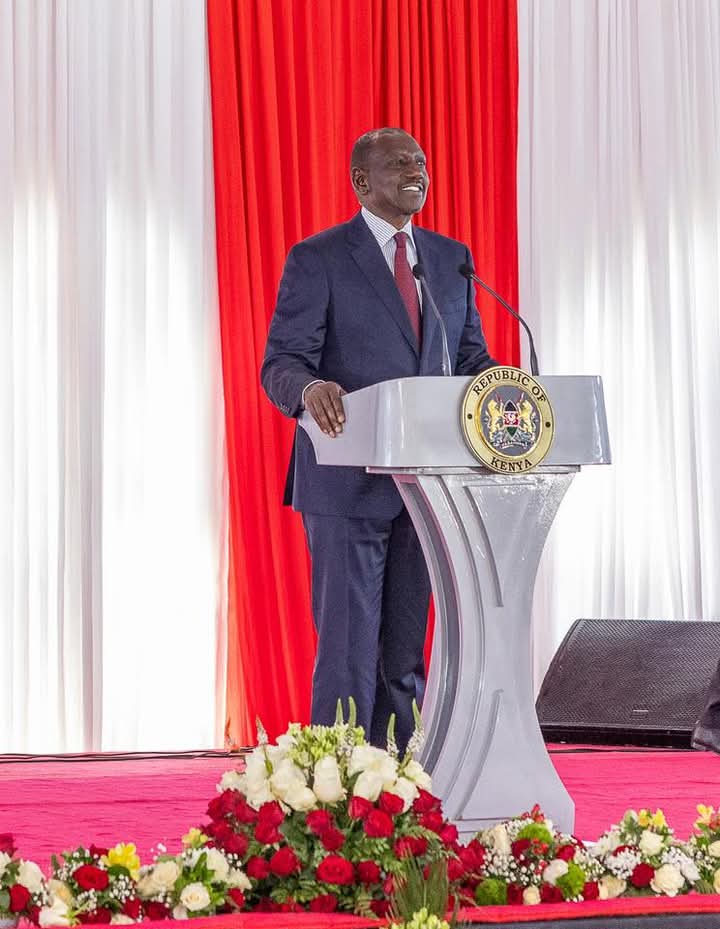
President William Ruto on Wednesday morning extended a heartfelt apology to Kenya’s neighbors, Tanzania and Uganda, for past government missteps, calling for renewed efforts to foster unity and cooperation within the East African region.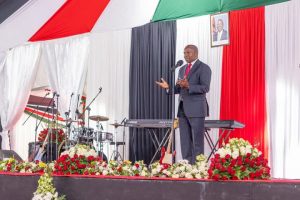
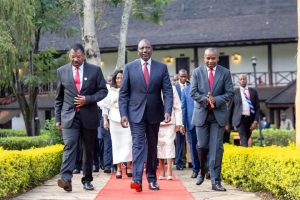
Speaking during the National Prayer Breakfast held at Safari Park Hotel in Nairobi, President Ruto addressed regional tensions and acknowledged that certain actions by the Kenyan government may have strained relations with its East African Community (EAC) partners.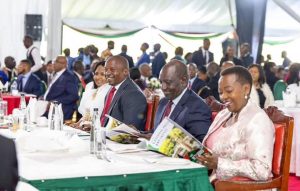
“In the spirit of brotherhood and regional integration, I extend an apology on behalf of the Government of Kenya to our brothers and sisters in Tanzania and Uganda for any wrongs or misunderstandings that may have arisen due to our actions or inactions,” President Ruto said. “We must be intentional about building bridges and healing any divisions that exist among us.”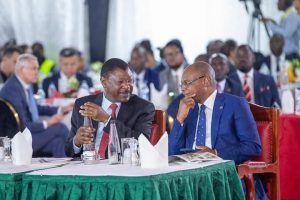
The president’s remarks come at a time when diplomatic relations among EAC member states have experienced strains over trade barriers, border issues, and divergent political stances. Ruto emphasized that unity, rather than rivalry, should define the region’s path forward.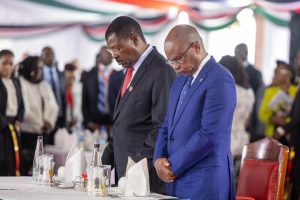
“As East Africans, our shared future depends on our ability to cooperate, to respect one another, and to work together for the prosperity of our people,” he added.
The National Prayer Breakfast, an annual event that brings together leaders from across the political, religious, and diplomatic spheres, provided a platform for reflection and reconciliation. This year’s theme centered on healing, unity, and national cohesion — themes that President Ruto echoed in his address.
He also reaffirmed Kenya’s commitment to the East African Community and emphasized the importance of regional integration in achieving economic growth and lasting peace.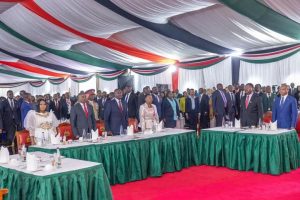
“Our nations are stronger together,” he said. “Let this morning mark a new beginning in our relationships — not just with God, but with one another as neighbors, partners, and brothers.”
President Ruto’s public apology and call for regional unity were widely welcomed by religious leaders, diplomats, and lawmakers present at the event, with many expressing hope that it would lead to strengthened cooperation and restored trust among the East African nations.