
 lowereas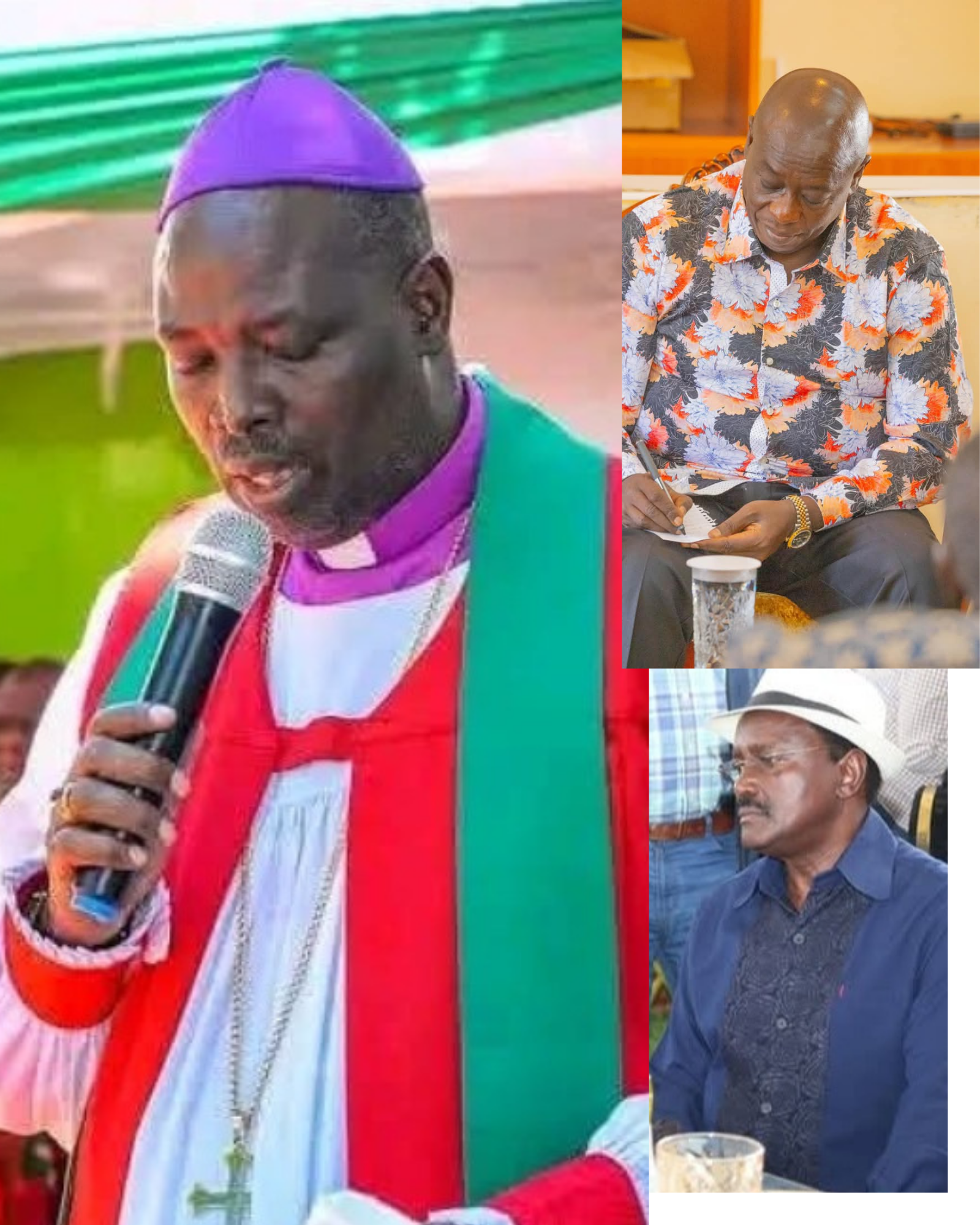
In a move that sent shockwaves through the political landscape, former Deputy President Rigathi Gachagua, Wiper Party Leader Kalonzo Musyoka, and Nairobi Governor Johnson Sakaja were denied the opportunity to speak at St. Stephen’s Cathedral ACK Church on Sunday. The decision was enforced by Archbishop Jackson Ole Sapit, who declared that no political leader would be allowed to address congregants in ACK churches across Kenya moving forward.
The three leaders, who were in attendance at the Nairobi-based cathedral, were reportedly prepared to address the congregation when they were informed that only religious messages would be allowed from the pulpit. Archbishop Ole Sapit, known for his firm stance against the politicization of the church, reiterated that the Anglican Church of Kenya (ACK) would not provide a platform for political speeches, regardless of the leader’s status.
A Stinging Rebuke to Politicians?
The decision is a significant blow to Gachagua, Kalonzo, and Sakaja, all of whom have heavily relied on churches as avenues to connect with the electorate. Over the years, political leaders have used church gatherings to deliver campaign-style speeches, endorse policies, and even respond to critics. However, with this latest move, the ACK leadership has drawn a firm line, sending a clear message that politics will no longer take center stage in worship services.
Speaking after the service, sources close to the affected leaders expressed disappointment, questioning whether the church was trying to alienate political figures. “The church has always been a place of refuge for all, including politicians. If they are stopped from speaking, does it mean they are no longer welcome?” one official, who requested anonymity, said.
Is the Church Closing Its Doors to Politicians?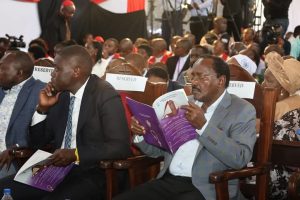
Archbishop Ole Sapit has long been vocal about keeping politics out of the pulpit, often decrying how some leaders turn church services into political rallies. His stance has sparked debate on whether religious institutions are within their rights to silence political voices or if this move could deter leaders from supporting church initiatives.
For politicians like Gachagua, Kalonzo, and Sakaja, who have built strong relationships with religious institutions, this move raises questions about their engagement with the church moving forward. Will they continue attending services where they cannot address the congregation? Or will they shift their focus to other denominations that still allow political speeches?
While ACK’s decision is clear, the impact on Kenya’s political and religious landscape remains uncertain. One thing, however, is evident: the days of politicians using the Anglican Church as a platform for their agendas are over.
Ends///…